
The framework shows "what" & "where"
If you've been following along, you know I recently wrote about the AI Adoption Continuum as a diagnostic framework for understanding why so many organizations are failing to see meaningful returns from AI. The core premise is simple: most teams are still walking or riding bikes, treating AI as just another tool to procure. Meanwhile, a select few are flying helicopters or piloting commercial jets, fundamentally changing how they build software.
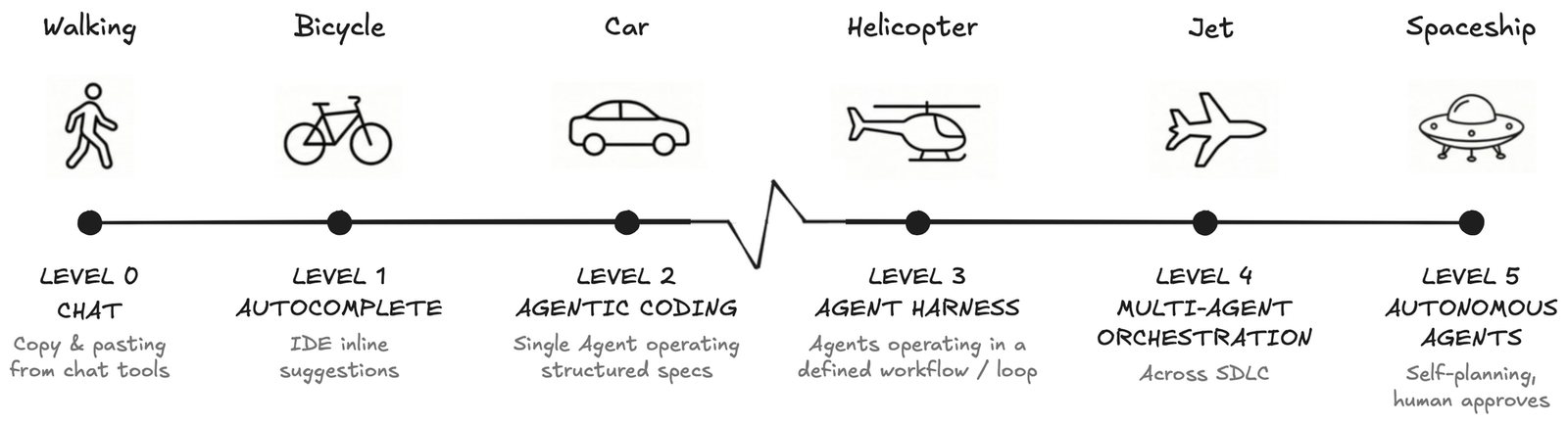
Here’s how each level breaks down in practice, and how the way your team works changes as you move up:
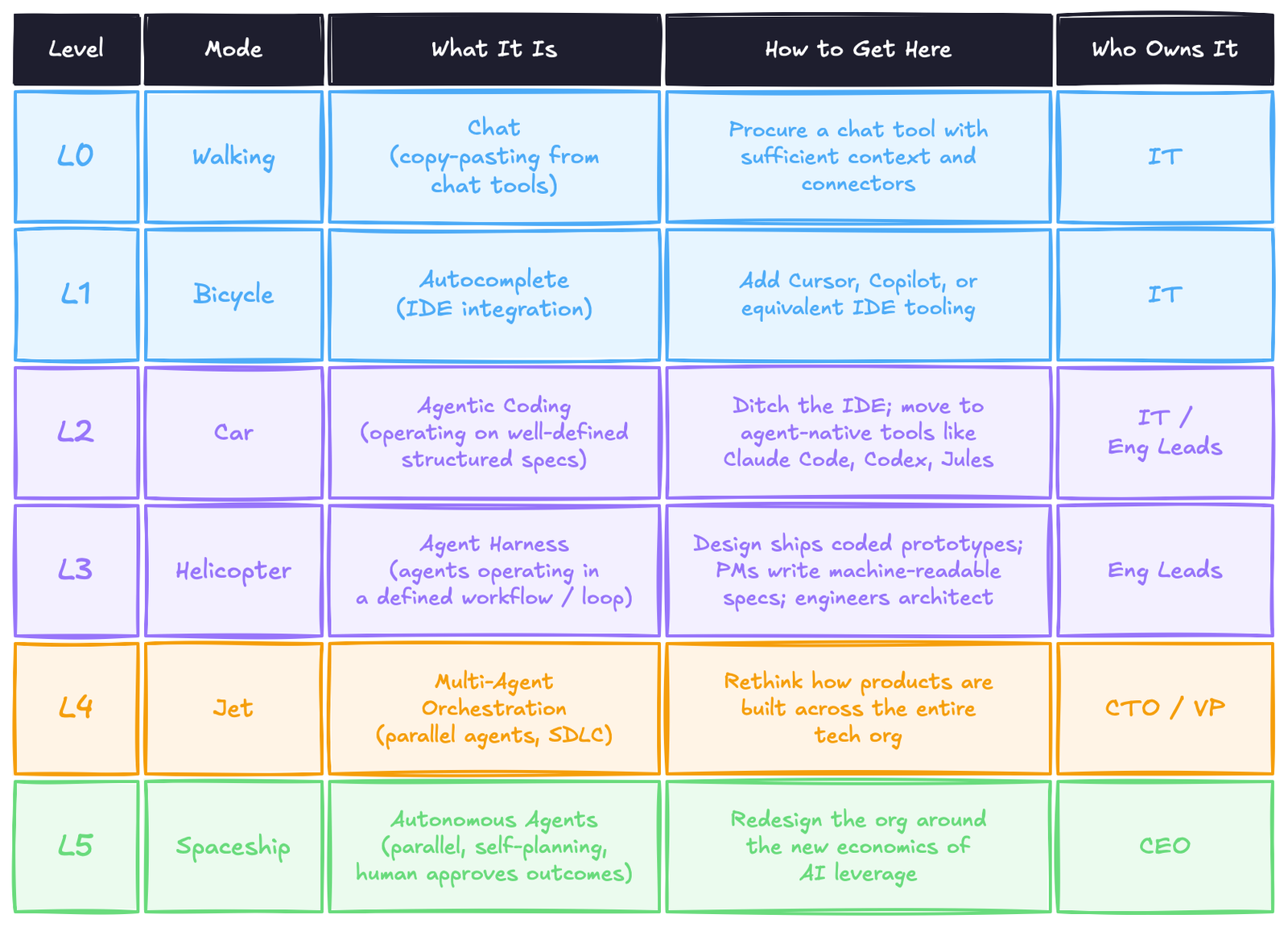
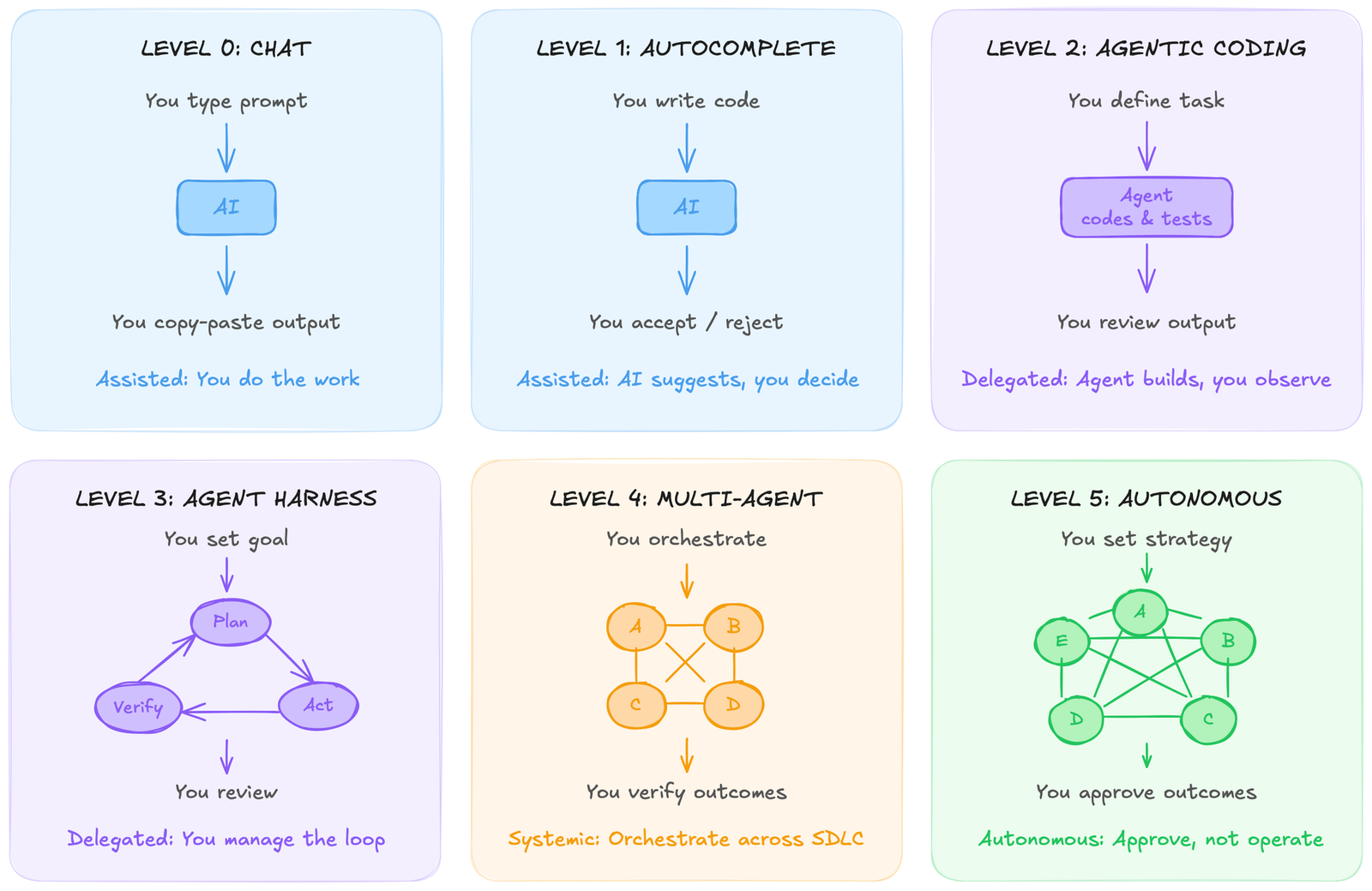
Understanding the AI Adoption Continuum in detail
Most teams stall somewhere in the middle. The workshop is designed to get you unstuck.
But the most common follow-up question highlights a distinct gap. Most engineering teams and leaders know exactly where they want to be on that continuum. They want to be airborne. They want to move past the novelty of autocomplete and into the realm of agentic workflows that actually change how fast they ship.
The problem is, they don't know how to get there.
The gap is in the "how"
That gap is exactly what I set out to address in my recent engineering workshop in Mexico City (CDMX). This talk isn't about theory or high-level organizational design. It is the practical, hands-on answer to going from ground transport to airborne. It's designed to take you and your team from the walking and biking stages directly into driving and helicopter territory.
So, let's fix that
We get into the mechanics of changing how a team works. We cover how to stop writing traditional product requirements and start developing tight, machine-readable specifications. We look at how engineers can transition from being builders who merely use AI, to systems designers who review and orchestrate AI output. It is about the tangible shift from typing code to directing systems.
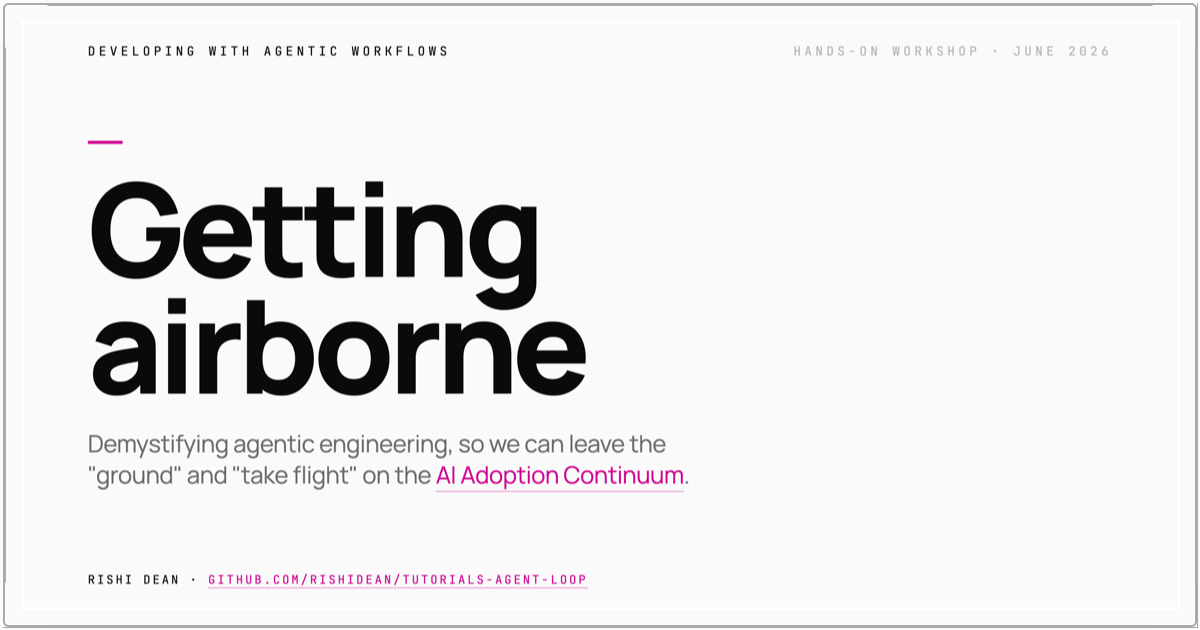
A link to the full slide deck from the workshop below:
You can build it in 30 mins
If you want to follow along with the exercises and see the exact specifications and workflows we used, you can find all the companion materials in the workshop GitHub repository.
The secret is: it's not that hard
The most important takeaway from this session is that the transition from ground to air isn't as mysterious or difficult as it might seem. Once you're up in the air, you can extend this approach to fit your specific needs...in the immortal words of Biggie and 112, "sky's the limit."


